Home » Procedures » Rhinoplasty
Rhinoplasty
Rhinoplasty is an aesthetic surgical procedure that aims to improve the appearance and proportion of the nose, in addition to correcting functional problems related to breathing.
In this article, we will explore in detail what rhinoplasty is, who can benefit from this procedure, the different types of rhinoplasty, the surgical procedure, post-operative recovery and much more.
Table of Contents
What is Rhinoplasty?
Rhinoplasty is a procedure in which the shape, size and proportion of the nose are changed to improve facial harmony.
In addition to aesthetic goals, rhinoplasty can also be performed to correct functional problems.
Who can benefit from rhinoplasty
Types of rhinoplasty
There are two main types of rhinoplasty: open and closed.
Open rhinoplasty involves a small incision in the columella, the narrow part between the nostrils, allowing the surgeon a direct view of the nasal structures.
Closed rhinoplasty is performed internally, without visible external incisions. The choice between the two methods depends on the patient's individual needs and the surgeon's preference.
Rhinoplasty surgery
Rhinoplasty is a procedure performed under general anesthesia, ensuring patient comfort during surgery.
Depending on the specific technique, the incisions may be made exclusively inside the nose, in an approach known as closed rhinoplasty, or an additional incision may be included in the columella — the small strip of tissue between the nostrils — characterizing open rhinoplasty. Both techniques provide direct access to the bone and cartilaginous structure for the planned changes.
During surgery, we use an instrument called a piezo. This device, using high-frequency ultrasonic vibrations, allows the bones of the nose to be reshaped with impressive precision, reducing the risk of injury to adjacent soft tissues and promoting faster recovery (ultrasonic rhinoplasty).
Although the duration of rhinoplasty may vary depending on the complexity of each case, on average, a primary procedure takes about three hours. The good news is that, generally, the patient can be discharged on the same day, after an adequate period of recovery in the hospital.
The rhinoplasty process
The evaluation process
The rhinoplasty process begins with a consultation in which it is essential to establish easy and transparent communication between the surgeon and the patient.
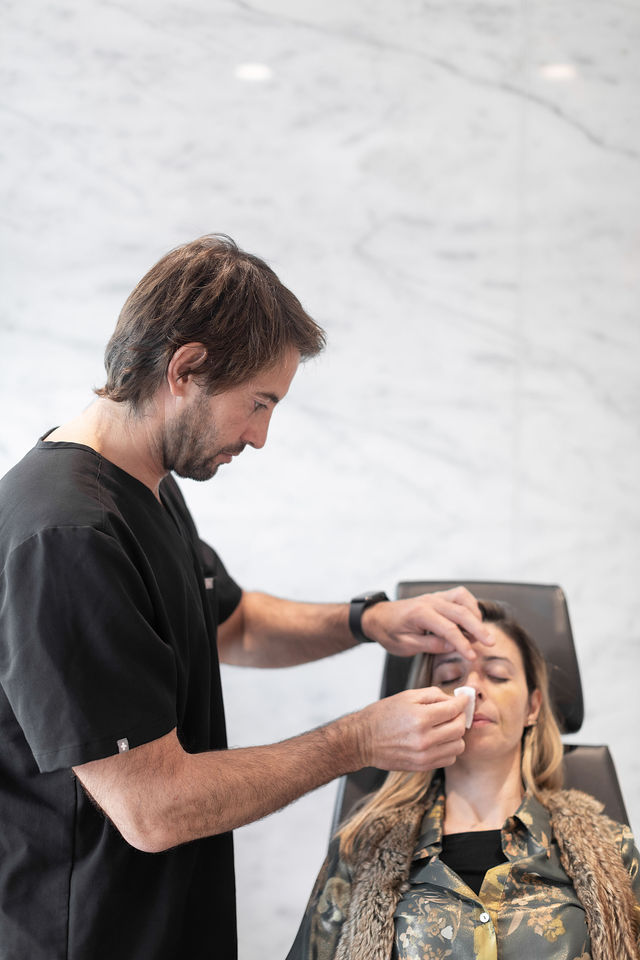
During the consultation, the patient can discuss their concerns and expectations regarding the surgery, and the surgeon will carry out a detailed assessment of the nose and facial structures, clarifying any possible doubts.
During the consultation, we take photographs of the nose for an accurate analysis. Then, using special software, we modify these images to simulate the results of the surgery. This simulation helps align the patient's expectations with what is possible. We also use these images as a guide during the operation, to achieve a result that comes as close as possible to what the patient desires.
After the Operation
After rhinoplasty, it is normal to experience discomfort, swelling and bruising around the nose and eyes.
Taking painkillers and applying cold compresses can help alleviate these symptoms.
The patient must follow all postoperative guidelines, such as adequate rest, avoiding intense physical activity, keeping the head elevated when sleeping and cleaning the nose properly.
Rhinoplasty Results
The final results of rhinoplasty may take time to be completely visible as the swelling gradually decreases.
However, most patients begin to notice significant improvements within a few weeks after surgery.
It is important to have realistic expectations and understand that the final result can be influenced by the original nasal structure and individual factors.

Conclusions
Rhinoplasty is a highly personalized surgical procedure that can improve the aesthetic appearance and respiratory function of the nose.
It is important to look for an experienced and certified surgeon to ensure satisfactory results and minimize risks.
If you are considering rhinoplasty, schedule a consultation to discuss your concerns and goals with a qualified professional.
Remember that each case is unique, and your surgeon will be able to create a personalized treatment plan to meet your needs.
If you want to know more about the Rhinoplasty procedure, I am available to help.
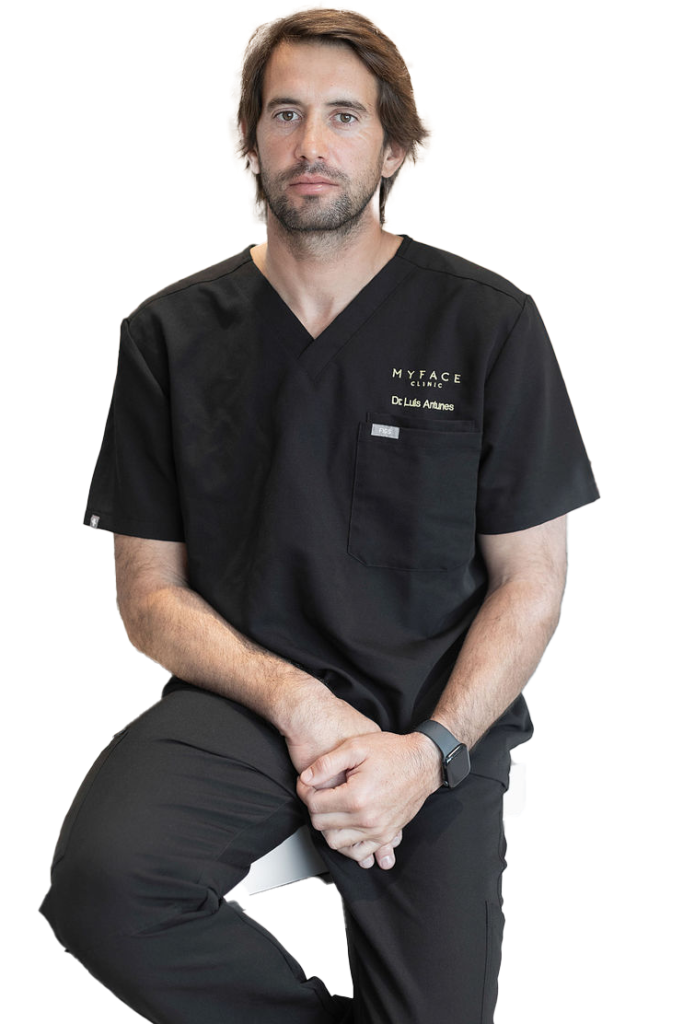
I'm Dr. Luís Antunes, surgeon with years of experience and several successful cases in facial surgeries.
If you have any questions or would like more information about the procedure, I invite you to fill out the contact form.
I'm here to clarify your doubts and offer personalized guidance. Click the link above to speak to me directly.
It will be a pleasure to help you achieve your aesthetic goals and improve your self-esteem.